
⭐ How to Perform Hajj – A Complete Step-by-Step Guide By: Pir Kafla
Hajj is among the greatest acts of worship in Islam and one of its essential pillars. A Muslim’s religion remains incomplete until this obligation is fulfilled by those who are capable. Like any other act of worship, Hajj is only accepted when two foundations are present:
1. Sincerity
The intention must be purely for Allah alone — not for fame, praise, or worldly benefit.
2. Following the Sunnah
The rituals must be performed exactly as taught by the Prophet Muhammad ﷺ, which requires proper learning and understanding of his guidance.
⭐ Types of Hajj
A pilgrim may choose one of the following three forms:
1. Tamattu’ (Best)
Perform Umrah first, exit Ihram, then enter Ihram again for Hajj on 8th Dhul-Hijjah.
2. Qiran
Enter Ihram for Umrah and Hajj together without exiting Ihram. Sacrifice is required.
3. Ifraad
Enter Ihram only for Hajj without combining Umrah. No sacrifice is required.
The Prophet ﷺ encouraged Tamattu’, and pilgrims may switch their intention to Tamattu’ even after Tawaf and Sa’i if they have not brought sacrificial animals.
🕋 FIRST: Performing Umrah (for Tamattu’ or those starting with Umrah)
1. Preparation & Ihram
Before entering the state of Ihram:
Perform ghusl (recommended for men and women, including those menstruating or experiencing post-natal bleeding).
Apply perfume (for men only) — what remains after Ihram is permissible.
Wear Ihram clothing:
Men: two unstitched sheets
Women: regular modest clothing without a niqab or burqa
If it’s time for prayer, pray the obligatory salah; otherwise, pray two rakaat of wudhu.
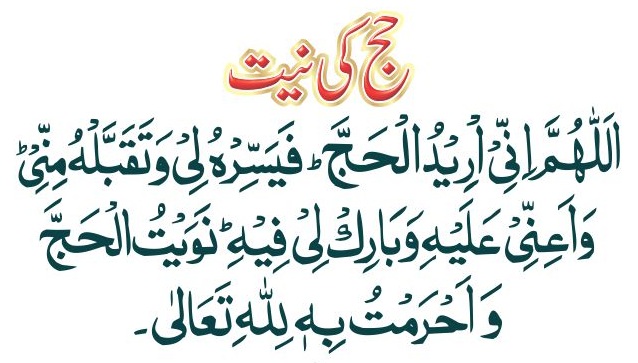
2. Intention (Niyyah) & Talbiyah
After prayer, raise your voice (men) or speak softly (women):
“Labbaik Allahumma Umrah, Labbaik. Labbaik laa sharika laka labbaik. Innal-hamda wan-ni‘mata laka wal-mulk, laa sharika lak.”
Continue reciting Talbiyah frequently — especially when changing location, ascending, descending, or at night and day transitions.
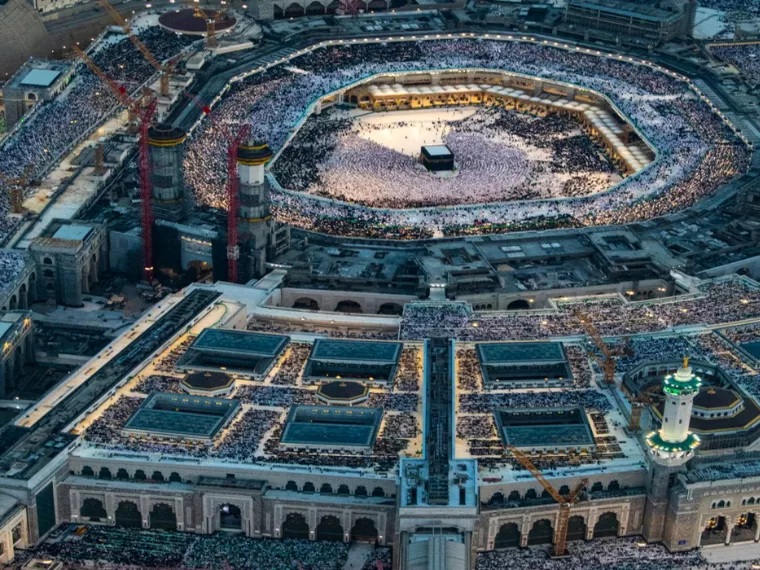
3. Entering Masjid Al-Haram
Enter with the right foot and recite:
“Bismillah, Allahumma salli ‘ala Muhammad. Allahummaghfir li waftah li abwaba rahmatik.”
Seek Allah’s sanctuary from Shaytan.
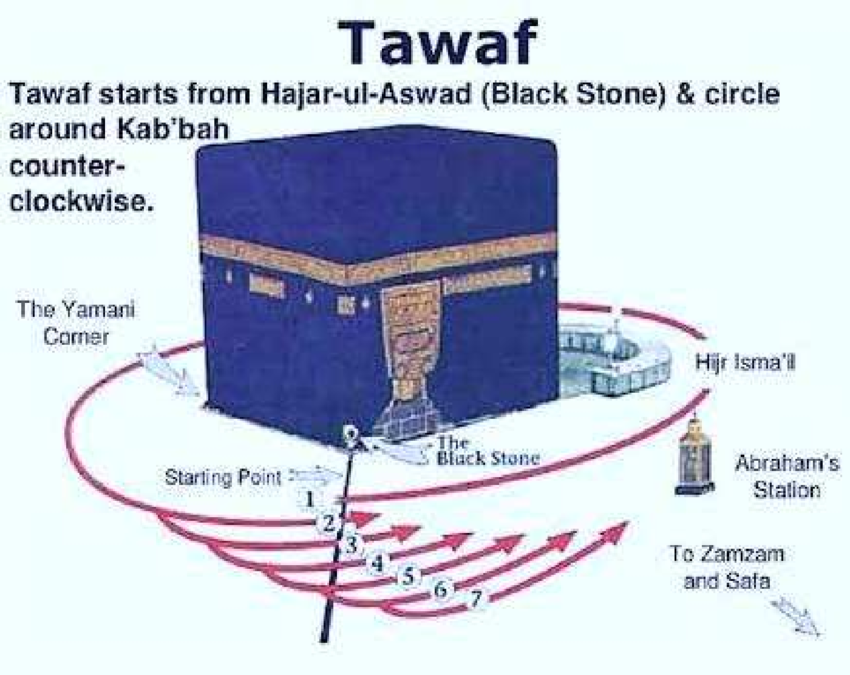
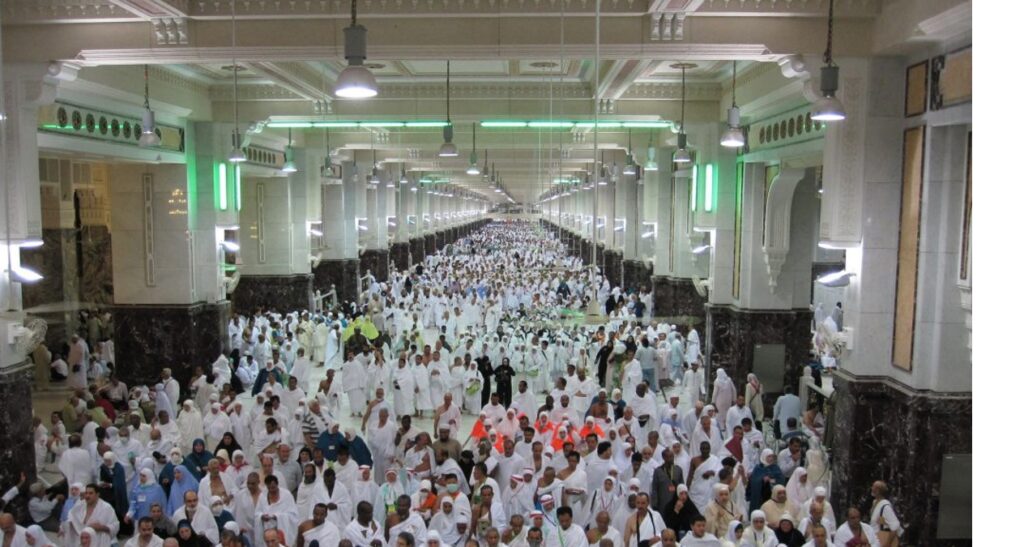
4. Tawaf (7 Circuits)
Before starting Tawaf
Stop reciting Talbiyah.
Perform Idhtibaa (men only): right shoulder uncovered.
At the Black Stone
Touch and kiss it if possible without harming anyone.
If not possible, perform Istilam by pointing toward it and saying “Allahu Akbar.”
During Tawaf
Keep the Ka’bah on your left at all times.
Men perform Ramal (short, quick steps) in the first 3 rounds.
Normal pace for remaining 4.
Touch Rukn Yamani if possible without crowding (do not kiss it).
Between Rukn Yamani and Black Stone, recite:
“Rabbana atina fid-dunya hasanah wa fil-akhirati hasanah wa qina ‘adhaban-naar.”
You may make any dua or dhikr — Tawaf is a time of remembrance.
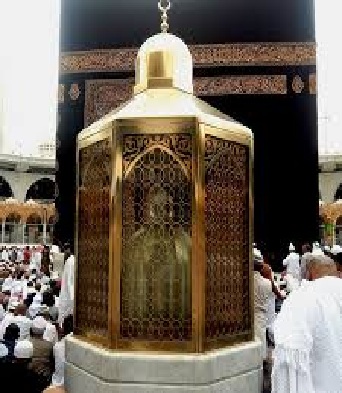
5. Two Rakaat Behind Maqam Ibrahim
After Tawaf:
Cover both shoulders (men).
Pray two rakaat, reciting Surah Al-Kafirun in the first and Surah Ikhlas in the second.
Drink Zamzam and make dua.
6. Sa’i Between Safa and Marwah
Begin at Safa:
Face the Ka’bah
Raise your hands
Say:
“La ilaha illallah wahdahu la sharika lah…” (three times with dua in between)
Walk normally until the green markers.
Men run between the green lights; women walk normally.
Repeat at Marwah, completing 7 rounds, ending at Marwah.
You may recite Quran, dua, or dhikr throughout.
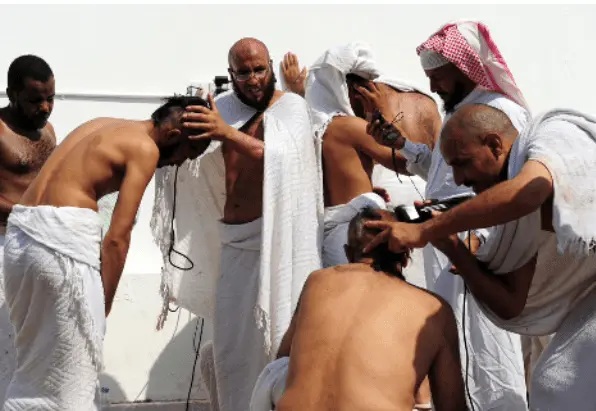
7. Halq or Taqsir (Shaving or Trimming)
Men: Shaving is best; trimming is allowed.
Women: Trim a fingertip’s length from hair.
After this, Umrah is complete, and you may exit Ihram completely.
🕋 SECOND: Performing Hajj
8th Dhul-Hijjah (Day of Tarwiyah) – Ihram for Hajj
Perform ghusl, wear Ihram, and say:
“Labbaik Allahumma Hajj.”
You may add the conditional clause if worried about health or obstacles:
“If I am prevented, then my place of exit from Ihram is where I am held back.”
Travel to Mina.
In Mina:
Pray Dhuhr, Asr, Maghrib, Isha, and Fajr — shortened but not combined.
9th Dhul-Hijjah (Day of Arafah)
After sunrise, travel to Arafah.
In Arafah:
Pray Dhuhr and Asr combined at Dhuhr time.
Spend the day in dua, dhikr, Qur’an.
Face the Qiblah and raise hands in earnest supplication.
The best dua is the dua of Arafah.
Stay until sunset.
Muzdalifah (Night of 10th Dhul-Hijjah)
After sunset, travel to Muzdalifah.
Pray Maghrib and Isha combined.
Rest until Fajr.
Make dua and dhikr until just before sunrise.
The weak may leave early to avoid crowds.
🕋 10th Dhul-Hijjah (Day of Eid)
Upon reaching Mina, perform the following (order recommended but flexible):
1. Rami (Stoning Jamrat al-Aqabah)
Throw seven pebbles, saying “Allahu Akbar” with each throw.
2. Sacrifice (Hadi)
Required for Tamattu’ and Qiran.
3. Shaving or Trimming
Men: shaving preferred
Women: trim a fingertip length
After this, you may exit Ihram partially (all things allowed except intimacy).
4. Tawaf al-Ifadah & Sa’i
Travel to Makkah and perform:
Tawaf al-Ifadah
Sa’i (if not performed earlier for Hajj)
After this, full Ihram restrictions end completely, including marital relations.
11th & 12th Dhul-Hijjah – Days of Tashreeq
Stay in Mina and stone the three Jamrat each afternoon:
Jamrat al-Ula
Jamrat al-Wusta
Jamrat al-Aqabah
Seven pebbles each, with dua after the first two.
You may leave on the 12th before sunset or stay for the 13th (preferred).
Farewell Tawaf (Tawaf al-Wada’)
Before leaving Makkah, pilgrims perform a final Tawaf.
Women in menstruation or post-natal bleeding are exempt.
🕌 Visiting Madinah (Optional but Recommended)
Visit Masjid an-Nabawi and greet:
Prophet Muhammad ﷺ
Abu Bakr (RA)
Umar ibn Al-Khattab (RA)
Visit Quba, Uhud, and Jannat al-Baqi’.
📌 Important Guidelines for Pilgrims in Ihram
Obligations include:
Praying on time
Avoiding sin, argument, fighting, foul language
Avoiding harming any Muslim
Forbidden in Ihram:
Cutting hair or nails
Perfume
Marital relations
Hunting
Wearing stitched clothing (men only)
Covering the head (men)
Niqab or burqa (women)
⭐ Your Hajj Is Now Complete
May Allah accept your Hajj, forgive your sins, and return you home purified like the day you were born.