
🕌 Brief History of Madina Munawwara By: Sardar Azeem
Madina Munawwara holds a unique and sacred place in Islamic history. The migration (Hijrah) of the Prophet Muhammad ﷺ to this blessed city marked a turning point in the Divine Mission. It was in Madina that Islam began to prosper openly, gain new followers, and establish the foundations of a complete spiritual, social, and political system.
The Prophet ﷺ was 53 years old when he migrated from Makkah to Madina. He spent the remaining ten years of his life in this luminous city—years filled with revelation, transformation, and the establishment of an Islamic civilization that would reach every corner of the world.
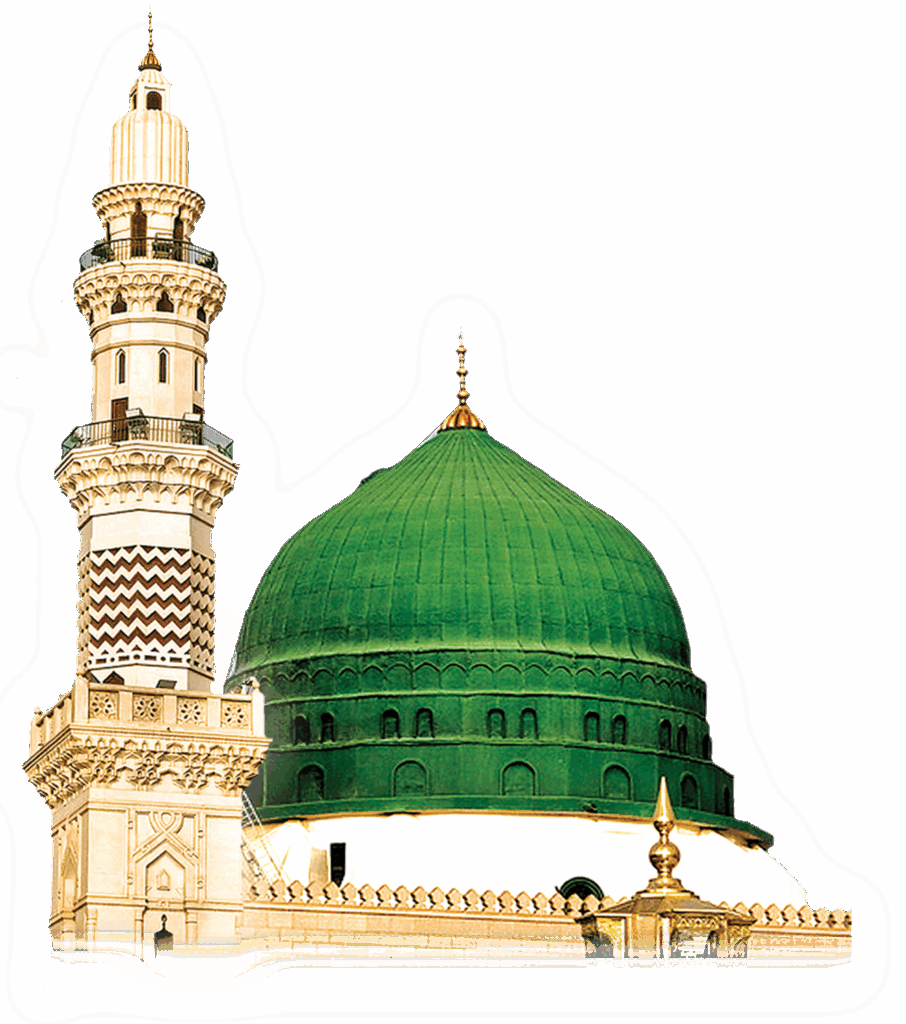
🌙 1. The Construction of Masjid an-Nabawi
The Prophet’s arrival in Madina was followed by the building of the first mosque in Islamic history—Masjid an-Nabawi. For Muslims who had endured years of persecution in Makkah, this mosque became:
A place of prayer
A school for the Qur’an
A community center
A court of justice
A government headquarters
The Prophet ﷺ himself participated in its construction, alongside the Muhajireen (immigrants) and the Ansar (helpers). Initially built from clay, tree trunks, and palm leaves, the mosque served as the heart of the new Islamic State.
Today, Masjid an-Nabawi stands as one of the holiest sites in the world and houses the blessed tomb of the Prophet Muhammad ﷺ.
🤝 2. Brotherhood Between the Muhajireen and the Ansar
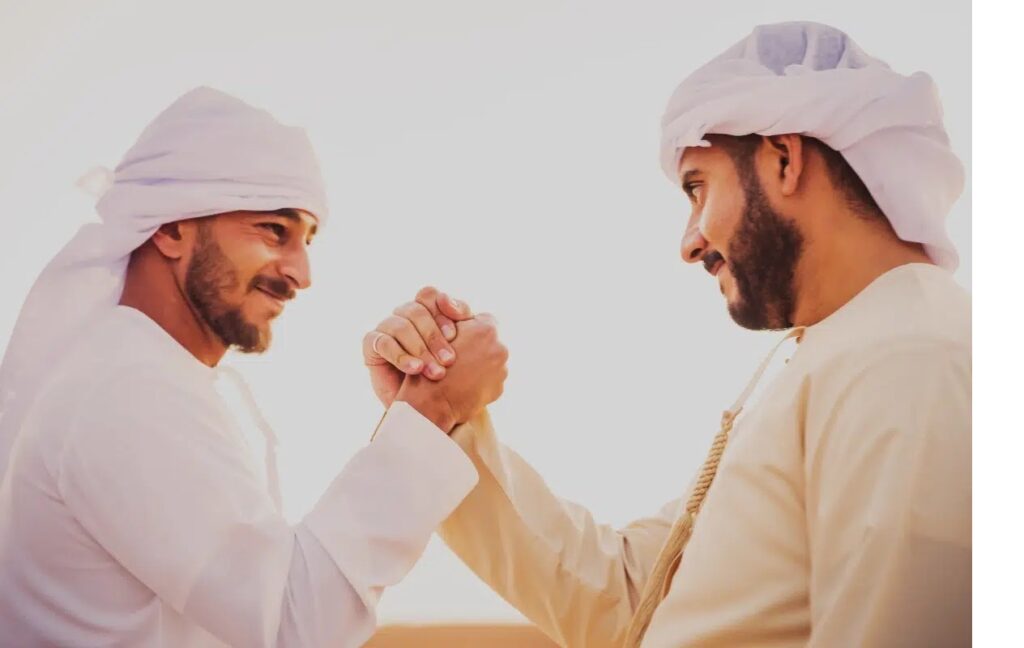
One of the most remarkable achievements in Madina was the institution of brotherhood. The Prophet ﷺ paired each Muhajir (immigrant from Makkah) with an Ansari (resident of Madina), creating bonds of faith stronger than blood ties.
The Qur’an describes them with honor:
“Allah is pleased with the first and foremost of the Muhajireen and Ansar…” (Qur’an 9:100)
The Ansar shared:
Their homes
Their wealth
Their food
Even offering their daughters in marriage
This unmatched example of Islamic solidarity became the foundation of the first Muslim society.
🏛️ 3. Establishment of the First Islamic State
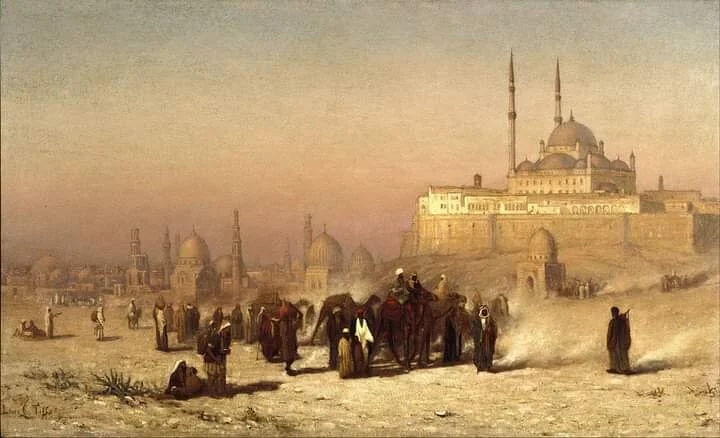
After the Hijrah, the Prophet ﷺ founded the first Islamic government in Madina. Guided by the Qur’an and his divinely inspired Sunnah, he shaped a society based on:
Justice
Equality
Mercy
Rights and responsibilities
Freedom from oppression
Spiritual and moral excellence
His leadership transformed a tribal society into a unified Ummah, creating the world’s most complete moral and political system, which continues to guide humanity.
⚔️ 4. Jihad – The Defense of Faith
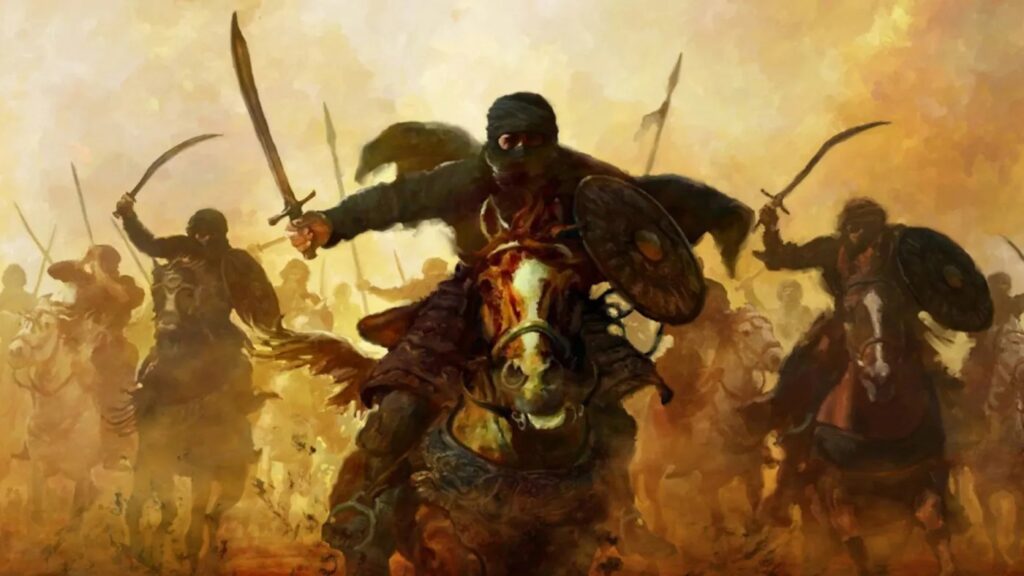
When Islam finally had a state, the Quraysh escalated their aggression. The Muslims were forced to defend themselves, leading to several key battles.
The Battle of Badr, in the 2nd year of Hijrah, was the first decisive Muslim victory—where 313 Muslims defeated a much larger Makkan army.
These battles:
Strengthened the Muslim community
Weakened the Quraysh
Allowed Islam to spread across Arabia
Jihad in this period was purely defensive, resisting oppression and protecting the new Islamic State.
📜 5. Ending the Treachery of Certain Jewish Tribes
A number of Jewish tribes in Madina violated treaties and conspired against the Prophet ﷺ. Despite his fairness and kindness towards them, their increasing hostility and alliances with the Quraysh forced defensive action.
The Battle of Khaybar, known for the bravery of Imam Ali (AS), ended their plots and secured Madina from internal threats.
🤝 6. The Treaty of Hudaibiyah
In the 6th year of Hijrah, the Prophet ﷺ sought to perform Umrah with 1,500 companions. The Quraysh blocked entry and negotiations led to the Treaty of Hudaibiyah.
Though initially seen as a compromise, the treaty became a major victory:
It allowed Muslims to perform Umrah the following year
It established peace
It led to mass conversions
It paved the way for the conquest of Makkah
The treaty fulfilled the Prophet’s ﷺ dream of entering the Kaaba.
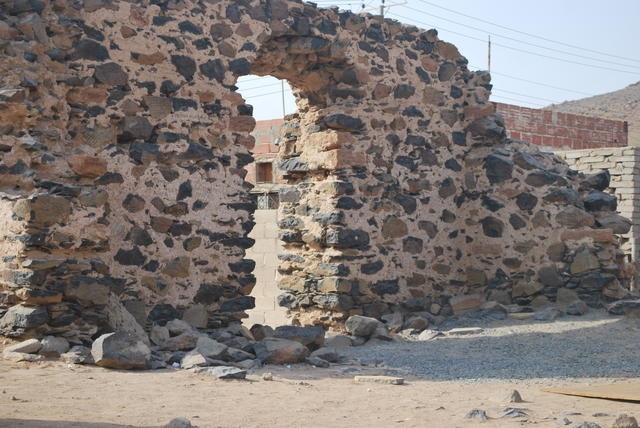
🕋 7. The Conquest of Makkah
In the 8th year of Hijrah, the Quraysh broke the treaty. The Prophet ﷺ marched to Makkah with a powerful yet peaceful army. Allah placed awe in the hearts of the Quraysh, who surrendered without resistance.
This historic moment:
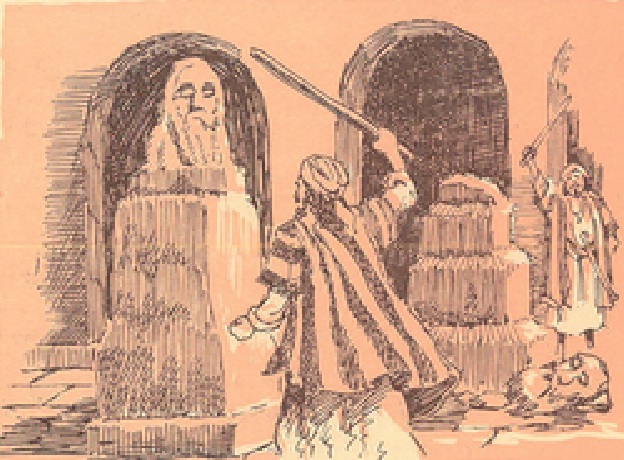
Cleansed the Kaaba of idols
Ended centuries of polytheism
United Arabia under Islam
Demonstrated the Prophet’s mercy—he forgave his former enemies
This was one of the greatest victories in Islamic history.
🌍 8. Invitations to Global Rulers
With Islam now firmly established, the Prophet ﷺ sent letters to world leaders:
The Emperor of Persia
The Emperor of Rome
The King of Abyssinia
Regional rulers
Some accepted the message, others responded diplomatically, and some rejected it with arrogance—such as Chosroes of Persia, who tore the Prophet’s ﷺ letter.
This marked Islam’s introduction to the world stage.

🕊️ 9. The Event of Mubahala
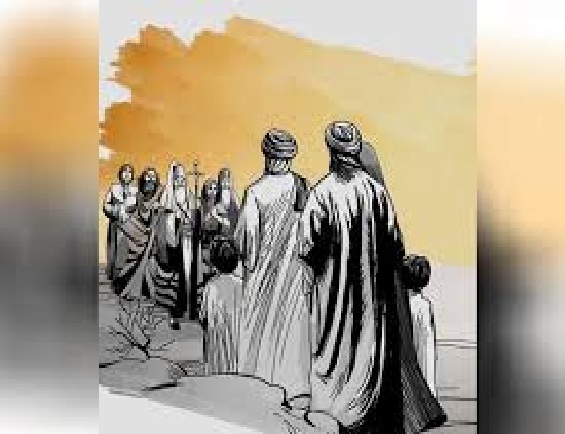
The Christians of Najran visited Madina to debate the Prophet ﷺ regarding the nature of Prophet Isa (AS). After presenting clear arguments, they still rejected the truth. Allah commanded the Prophet ﷺ to challenge them to Mubahala—invoking Allah’s curse on the liars.
The Prophet ﷺ arrived with:
Imam Ali (AS)
Lady Fatimah (AS)
Imam Hasan (AS)
Imam Husayn (AS)
The Christians, awed by their purity, withdrew and accepted peaceful terms.
🕋 10. The Farewell Pilgrimage (Hajjat-ul-Wida)
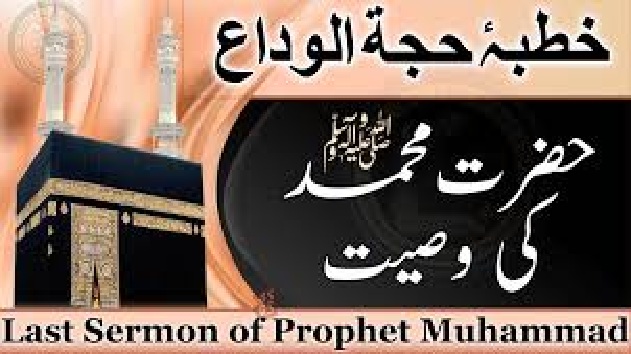
In the 10th year of Hijrah, the Prophet ﷺ performed his only Hajj. During this pilgrimage he delivered the Farewell Sermon, which included the famous Hadith of Thaqalayn:
“I leave behind two precious things: the Book of Allah and my Ahlul-Bayt…”
This sermon abolished Jahili practices and reaffirmed Islamic laws and ethics for all generations.
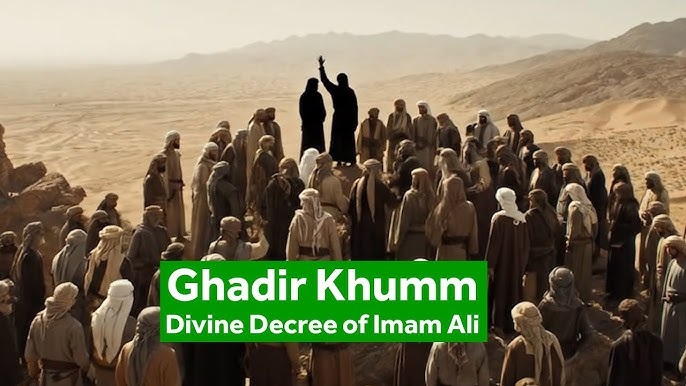
🌟 11. Ghadir Khum
On the return from Hajj, at a place called Ghadir Khum, Allah revealed:
“O Prophet, proclaim what has been revealed to you…” (Qur’an 5:67)
The Prophet ﷺ gathered the Muslims and declared:
“For whomever I am his master (Maula), Ali is his master.”
This historic announcement affirmed Imam Ali’s leadership for the Ummah. The verse “Today I have perfected your religion…” (Qur’an 5:3) was revealed immediately afterward.
🌙 12. The Passing of the Prophet ﷺ
Two months later, the Prophet ﷺ fell ill. After leading his final prayer, he returned home, gave his last instructions, and passed away on the 28th of Safar.
He was buried inside Masjid an-Nabawi. His resting place remains the most visited and beloved site for Muslims worldwide.
Islam was now complete:
The Qur’an preserved
The Sunnah established
The Ahlul-Bayt entrusted with leadership
The Ummah given a complete system of life until the Day of Judgment